
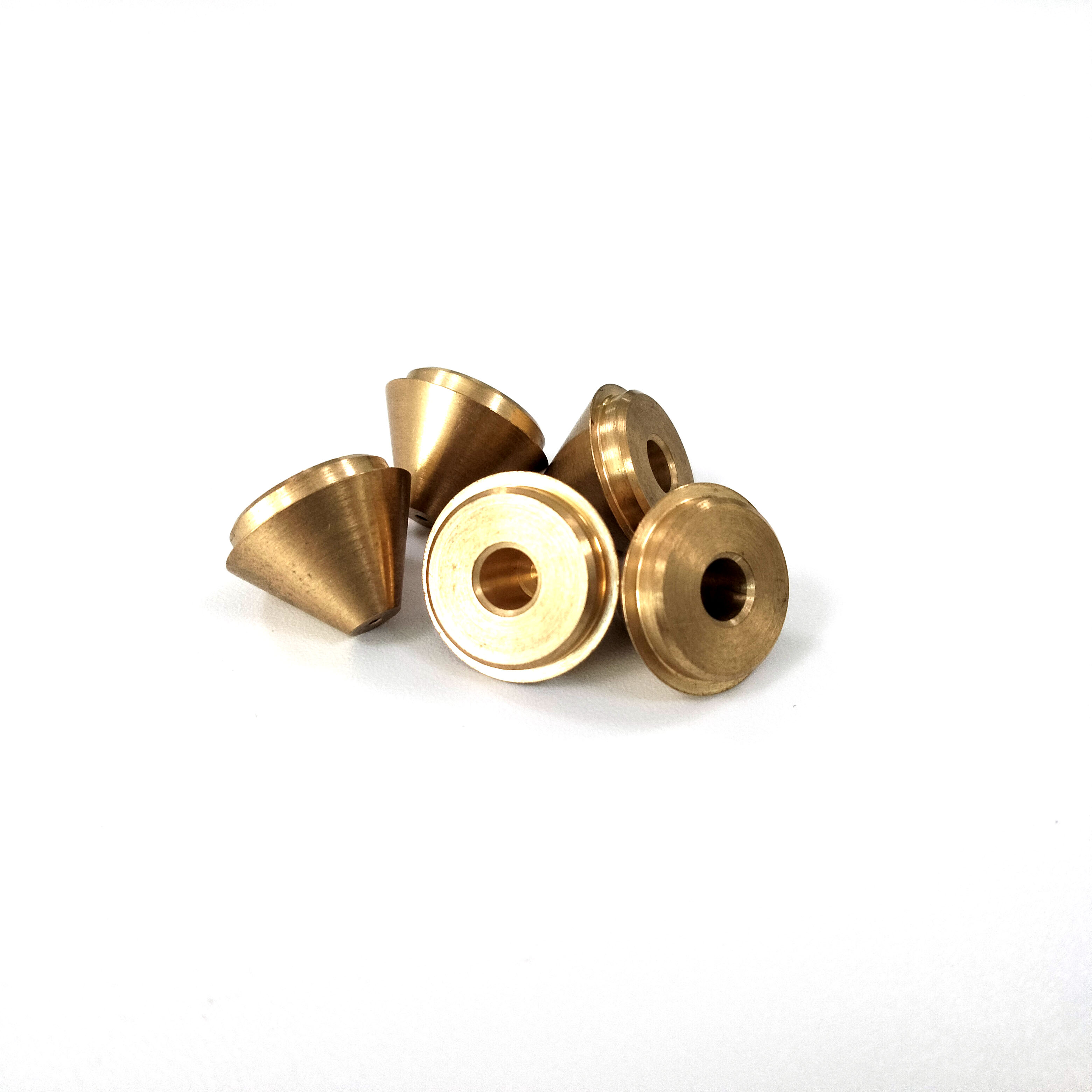
In recent years, the demand for precision-engineered components has surged across multiple industries, including automotive, medical, agriculture, and industrial manufacturing. Central to meeting this demand is the evolution and adoption of Computer Numerical Control (CNC) machining technology, which provides unparalleled accuracy, efficiency, and flexibility in producing complex parts. Local CNC machining shops have become key players in this industrial transformation, offering advanced custom manufacturing solutions that drive innovation and quality in today’s market.
One notable example of a company contributing to this trend is a leading Dongguan-based hardware manufacturer specializing in the research, development, design, and customized production of automated machinery parts, automotive parts, medical components, die-casting parts, and stamping parts. Their expertise encompasses a wide range of machined products serving diverse sectors such as industrial equipment and agriculture, showcasing the versatility and broad application of precision machining.
### The Growing Importance of CNC Machining
CNC machining is a process that utilizes computerized control systems to operate machine tools precise to the thousandth of a millimeter. This technology allows for the mass production of consistently high-quality parts, with minimal human intervention, thereby reducing the risk of errors and speeding up production timelines. Its ability to work with various materials, including metals, plastics, and composites, makes it indispensable in the manufacture of intricate components.
Industry sectors such as automotive and medical device manufacturing rely heavily on CNC machining to produce components that meet strict specifications and regulatory standards. For example, automotive parts necessitate high durability and exact fit to ensure operational safety and efficiency. Similarly, medical parts require biocompatibility and tight tolerances to function properly within diagnostic or therapeutic devices.
### Customized Solutions for Diverse Industries
The company in Dongguan epitomizes the strengths of modern CNC machining shops by providing fully customized solutions tailored to clients’ exact specifications. Their integrated approach spans from initial product design and engineering to prototyping and final production, ensuring seamless communication and rapid iteration throughout the development lifecycle.
One key area of specialization is automated machinery parts, which serve as the backbone for modern manufacturing systems. By developing precise and reliable components, they help factories achieve higher automation levels, reduce manual labor, and improve production consistency. This contributes to greater overall productivity and competitiveness for their clientele.
In the automotive sector, the company manufactures components that comply with stringent industry standards, including parts used in engines, transmissions, and chassis systems. Their proficiency in die-casting and stamping processes complements CNC machining, enabling them to offer comprehensive manufacturing services that meet complex design and material requirements.
Medical parts produced by the company exhibit high precision and cleanliness standards required for surgical instruments, diagnostic devices, and implants. Their commitment to quality control ensures that each product is meticulously inspected and tested, minimizing the risk of defects and enhancing patient safety.
Agriculture is another important industry supported by this manufacturer. The company produces durable and high-performance parts for farming machinery, which helps improve the efficiency of agricultural operations. By supplying components that withstand harsh environments and heavy usage, they support sustainable farming practices and food production.
### Driving Innovation Through Research and Development
A significant factor behind the company’s success is its strong emphasis on research and development (R&D). By continuously exploring new materials, machining techniques, and automation technologies, they stay at the forefront of industry advancements. This proactive approach enables them to offer cutting-edge solutions that improve product performance, reduce costs, and speed up time-to-market.
Their engineering team works closely with clients to understand specific challenges and tailor solutions accordingly. Whether it is refining a complex geometry, optimizing material use, or enhancing surface finishes, their R&D efforts foster innovation that adds real value for customers across sectors.
### The Role of Local CNC Machining Shops in Economic Development
Local CNC machining shops, like the featured company in Dongguan, play a crucial role in regional economic development by creating skilled jobs, attracting investment, and fostering advanced manufacturing capabilities. Their ability to serve a broad range of industries makes them essential partners in supply chains that drive industrial growth.
Moreover, by providing customized and small to medium-volume production runs, these shops enable startups and small businesses to prototype and scale new products without the high costs typically associated with large-scale manufacturing. This democratization of manufacturing helps stimulate innovation and entrepreneurship at the local level.
### Looking Ahead: Future Trends and Opportunities
As CNC machining technology continues to evolve, several trends are expected to shape the future of precision manufacturing. The integration of artificial intelligence and machine learning with CNC systems promises to enhance process optimization and predictive maintenance, further improving productivity and quality.
Additive manufacturing, or 3D printing, is also increasingly complementing CNC machining by enabling the rapid creation of complex prototypes and components that are difficult or impossible to machine conventionally. Companies that combine these technologies are likely to gain competitive advantages through greater flexibility and innovation capacity.
Sustainability considerations are prompting manufacturers to adopt more energy-efficient machining processes and explore recyclable materials, aligning production practices with environmental goals. The featured hardware company is actively engaged in eco-friendly initiatives, reflecting a broader industry commitment to responsible manufacturing.
### Conclusion
The growth of CNC machining shops and their expanding capabilities have fundamentally transformed precision manufacturing across numerous industries. Companies specializing in the customized production of machinery, automotive, medical, die-casting, and stamping parts exemplify how advanced manufacturing techniques can meet diverse and evolving market demands.
By leveraging innovation, R&D, and a customer-centric approach, these manufacturers not only deliver high-quality products but also contribute significantly to industrial progress and economic vitality. As technological advancements continue to accelerate, the role of CNC machining providers will remain central in shaping the future of manufacturing worldwide.